When people compare shavers, they obsess over blades and heads and almost never think about the battery until it lets them down mid-shave. But head shaver battery life quietly decides how smooth your shave is, how convenient your mornings are, and how long the tool lasts before it feels tired. A shaver with a strong, steady charge glides; one running on fumes drags and tugs. Here is what the spec sheet numbers actually mean, and what's worth paying attention to before you buy.
Runtime is the number that matters most
Runtime is how many minutes the shaver runs on a full charge. For a head shave you're covering far more surface area than a face, so a whole session can take five to ten minutes, and most people shave their scalp two to four times a week. That means you want real headroom, not just enough for one pass. Look for at least 60 minutes of runtime; the better cordless head shavers deliver 90 minutes or more. At 90 minutes you can go two to three weeks between charges, which is the difference between a tool you top up occasionally and one you're forever plugging in.
Charge time and the quick-charge lifesaver
Full charge times range from about 60 minutes to three hours. On its own that number matters less than runtime, because you rarely drain a shaver to zero. What matters far more is quick charge: a good shaver gives you enough juice for one full shave from just three to five minutes on the dock. If you've ever reached for a dead shaver on a work morning, you'll understand why this single feature is worth more than an extra half hour of total runtime. Always check whether the model has it.
Battery type: lithium-ion vs. the old NiMH
Modern head shavers use lithium-ion cells, and you want that. Lithium-ion holds a higher capacity for its size, self-discharges slowly when the shaver sits in a drawer, and — crucially — has no "memory effect," so you can top it up whenever without ruining the cell. Older or cheaper units still use NiMH batteries, which hold less, drain faster on the shelf, and degrade quicker with partial charges. If a listing doesn't say lithium-ion, assume the worst and move on.
Why a fading battery wrecks the shave itself
This is the part manufacturers rarely explain. As the charge drops, cheaper shavers reduce the power sent to the motor, so the blades spin slower. Slower blades don't cut hair cleanly — they bend it and tug, which on a bare scalp means irritation, missed patches, and that rough, uneven finish. A quality shaver holds full motor speed right up until the battery is nearly empty, then cuts out, rather than limping along at half power. When you read reviews, watch for anyone describing the shave getting "scratchy" or "weak" toward the end of a charge — that's a telltale sign of poor power regulation, and it's a bigger red flag than a modest runtime number.
Corded, cordless, and wet-use charging
Most head shavers are cordless, and the best also let you shave while plugged in as a backup — handy on the rare morning you're caught flat. Note that many waterproof shavers cannot be used while charging for safety reasons, so if you shave in the shower, lean on quick-charge and generous runtime rather than counting on corded use. A clear battery indicator, ideally a percentage or multi-bar display rather than a single blinking light, saves you from guessing how much shave you have left.
How to make your battery last for years
A few habits keep a lithium-ion shaver healthy. Don't leave it sitting on the charger for weeks on end after it's full; unplug it once charged. Try not to let it fully drain to zero every single time, since deep discharges age the cell faster than partial top-ups. Store and charge it at room temperature — heat is the real enemy of battery life, so keep it out of a steamy shower stall between uses. And clean the head regularly, because a clogged head forces the motor to work harder and pull more current, draining the battery faster and shortening its life. Treated well, a good lithium-ion shaver holds most of its capacity for three to five years.
What to actually look for
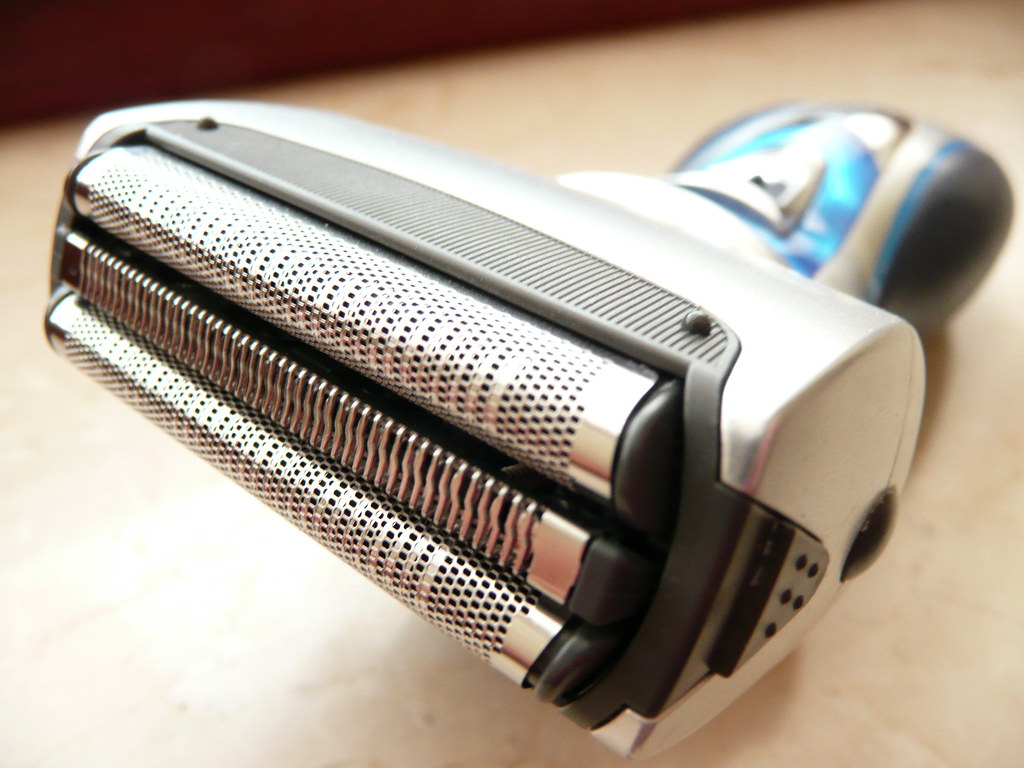
Prioritize, in order: lithium-ion cells, 60+ minutes of runtime, quick-charge for one shave, steady motor power that doesn't fade, and a readable battery gauge. Our top overall pick, the Exoshave 7D, checks all of these — a lithium-ion battery with quick-charge and a floating magnetic seven-blade head that keeps full cutting power to the last minute — which is a big reason it tops our roundup of the best head shaver. Get the battery right and you stop thinking about it entirely, which is exactly the point.
Want a head shaver that never fades mid-shave?
Our #1-ranked head shaver — the Exoshave 7D — pairs a quick-charge lithium-ion battery with a floating magnetic seven-blade head, so it holds full cutting power from the first pass to the last and recharges in minutes. It's 50% off today.
See the #1 pick →