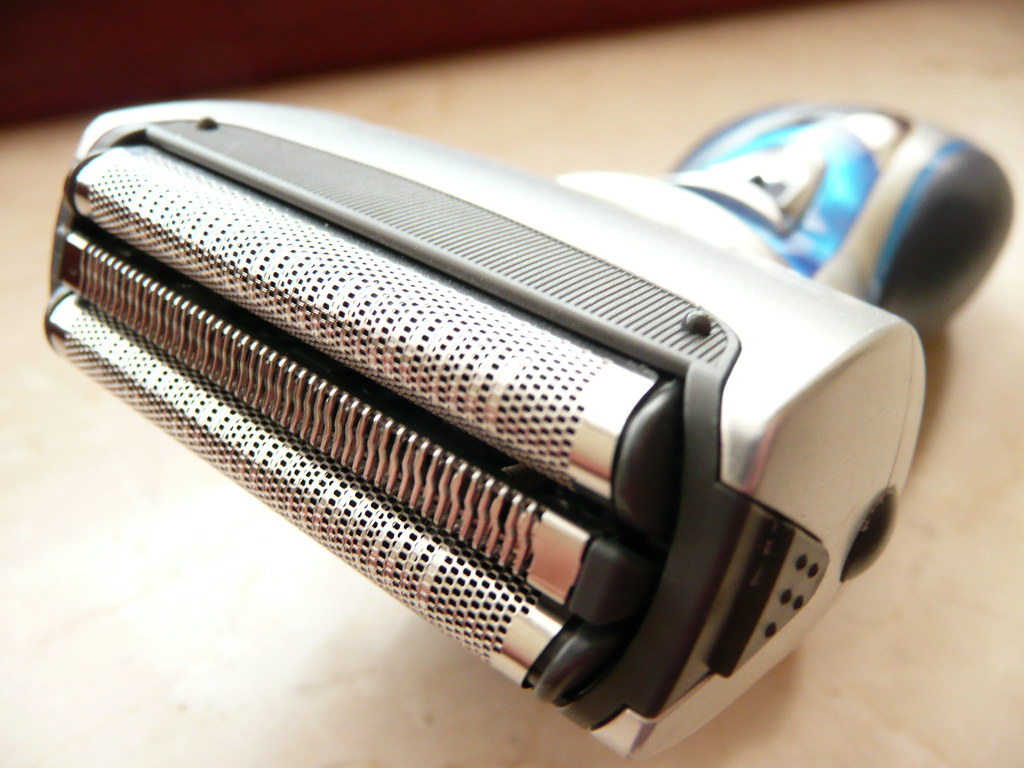
A good head shaver is not cheap, so it's fair to ask how much life you're actually buying. How long does a head shaver last? For most quality electric head shavers, the answer is three to seven years of regular use, provided you replace the cutting parts on schedule and keep the motor and battery healthy. Cheap models often give up inside a year or two; well-built ones can run close to a decade. The catch is that "the shaver" isn't one thing that dies all at once — it's a motor, a battery, a cutting head, and a set of seals, and they wear out at very different rates.
The short answer, broken down by part
Think of your shaver as four components with four separate lifespans. The blades and foil (or rotary cutters) are the fastest to go: they dull in roughly 6 to 18 months depending on how coarse your hair is and how often you shave. The rechargeable battery is next — lithium-ion cells typically hold strong charge for about 500 to 800 full cycles, which works out to two to four years of near-daily shaving before run-time noticeably drops. The motor is usually the longest-lived part and often outlasts everything else by years. And the waterproof seals and housing degrade slowly but matter: once water gets past a cracked seal, corrosion can end an otherwise healthy shaver quickly.
So when someone says their shaver "lasted eight years," they almost always mean the motor and body lasted eight years while they quietly swapped blades and, often, had the battery weaken along the way.
What wears out first
In practice, blades are what you'll replace most. A dull foil or cutter doesn't just shave worse — it tugs, heats up, and pushes you to press harder, which irritates your scalp. If you're shaving a whole head rather than a small patch of face, you're running far more surface area across those blades, so they wear faster than the manufacturer's "for the face" estimates suggest. Budget for new blades once or twice a year.
The battery is the sneakier failure. Lithium cells lose capacity gradually, so one day you realize a shaver that used to give you 60 minutes now dies halfway through your head. If the shaver only works while plugged in, the cell is effectively finished. On sealed units you often can't replace the battery, which is the single biggest reason a mechanically fine shaver gets thrown out.
Six signs your head shaver is near the end
Watch for these. First, it tugs and pulls even right after you've cleaned and oiled it. Second, it runs hot against your scalp within a minute. Third, the run-time has collapsed and it won't hold a charge. Fourth, it takes two or three passes to do what one pass used to. Fifth, you hear a new grinding, rattling, or whining from the motor. Sixth, there's visible corrosion, a cracked foil frame, or water trapped inside the head. One of these usually means a cheap part; several at once usually means the whole shaver.
How to make your head shaver last longer
Most shavers die early from neglect, not age. Rinse the head after every shave so hair and skin oil don't cake into the cutters. Put a single drop of light clipper or shaver oil on the blades weekly — it's the cheapest thing you can do to extend both blade and motor life. Let the shaver fully dry before storing it, and keep it off a wet sink edge where it can fall. Charge lithium batteries before they hit zero rather than running them flat every time, and don't leave the shaver cooking on the charger in a hot, steamy bathroom for weeks on end. Replace blades on schedule instead of waiting until they're painful; fresh blades also take load off the motor.
Replace the blades, or replace the shaver?
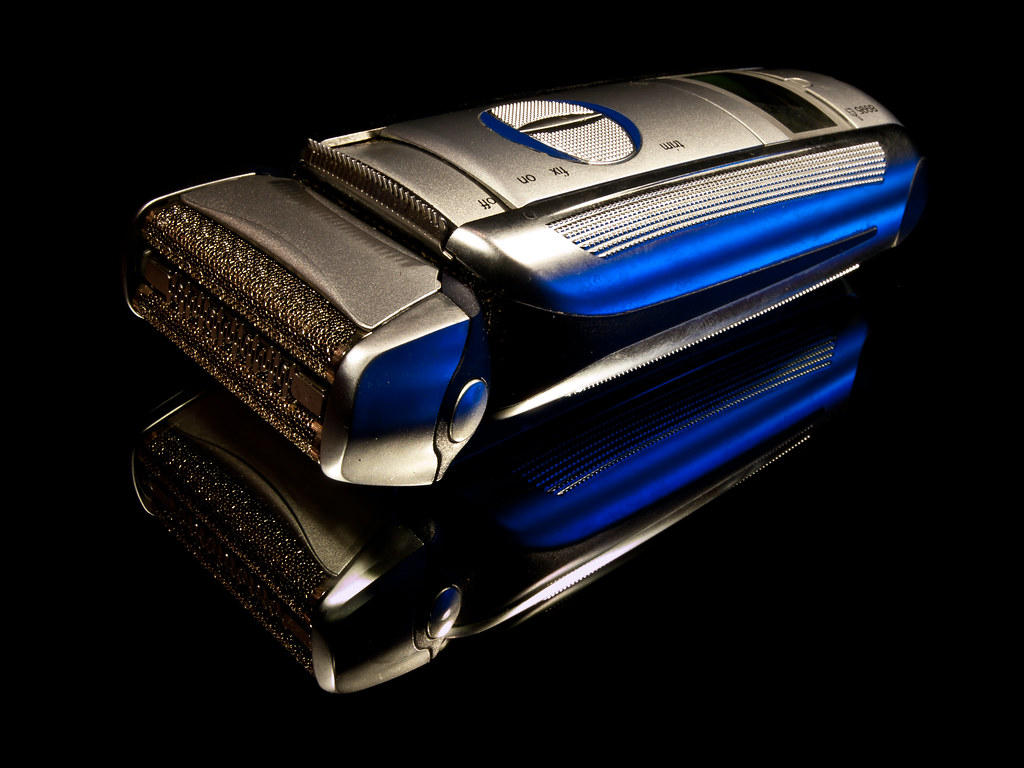
Here's the rule of thumb. If the only symptom is a poor, tuggy cut, try new blades and a clean-and-oil first — that fixes the large majority of "my shaver is dying" complaints for about the cost of a few coffees. If the battery won't hold a charge and the cell isn't user-replaceable, or the motor is grinding, or water has gotten inside, it's time for a new shaver. And if replacement blades for your model cost nearly as much as a better new shaver — which is common with older or off-brand units — replacing the whole thing is the smarter spend.
When you do upgrade, buy for longevity: a replaceable, widely-stocked blade head, a strong lithium battery with honest run-time, and real waterproofing you can rinse without fear. Those three things are exactly what separate a shaver you keep for years from one you bin in a year. Our pick of the best head shaver for men is built around that — a magnetic click-off head that pops free for a thorough rinse, so the parts that usually kill a shaver early never get the chance.
Ready for the smoothest shave?
Our #1-ranked head shaver — the Exoshave 7D — has a magnetic click-off head that rinses clean in seconds, a battery built to go the distance, and a close double-edge 7D floating blade, so it stays smooth for years — and it's 50% off today.
See the #1 pick →