If you are over 50 and tired of fighting a receding hairline, learning how to shave your head after 50 can be one of the most freeing grooming decisions you make. The look is sharp and low-maintenance — but your skin is not the same as it was at 30, and a routine that worked for a younger scalp can leave an older one nicked, irritated, or slow to heal. A few adjustments make all the difference.
Why shaving your head after 50 is a little different
With age, skin loses collagen and elastin. It becomes thinner, drier, and less elastic, so it tents up and folds under a blade instead of staying firm. That means more chances to catch skin, and because older skin heals more slowly, a nick that would vanish overnight at 25 can linger for days. Decades of sun exposure also leave their mark on a scalp that was shaded by hair for years: age spots, rough patches, and moles are all more common. And many men in this age group take blood thinners such as low-dose aspirin, clopidogrel, or a daily anticoagulant — which turns even a tiny cut into a surprisingly stubborn bleed. None of this is a reason to avoid shaving; it is a reason to shave smarter.
Choose a shaver that's forgiving on older skin
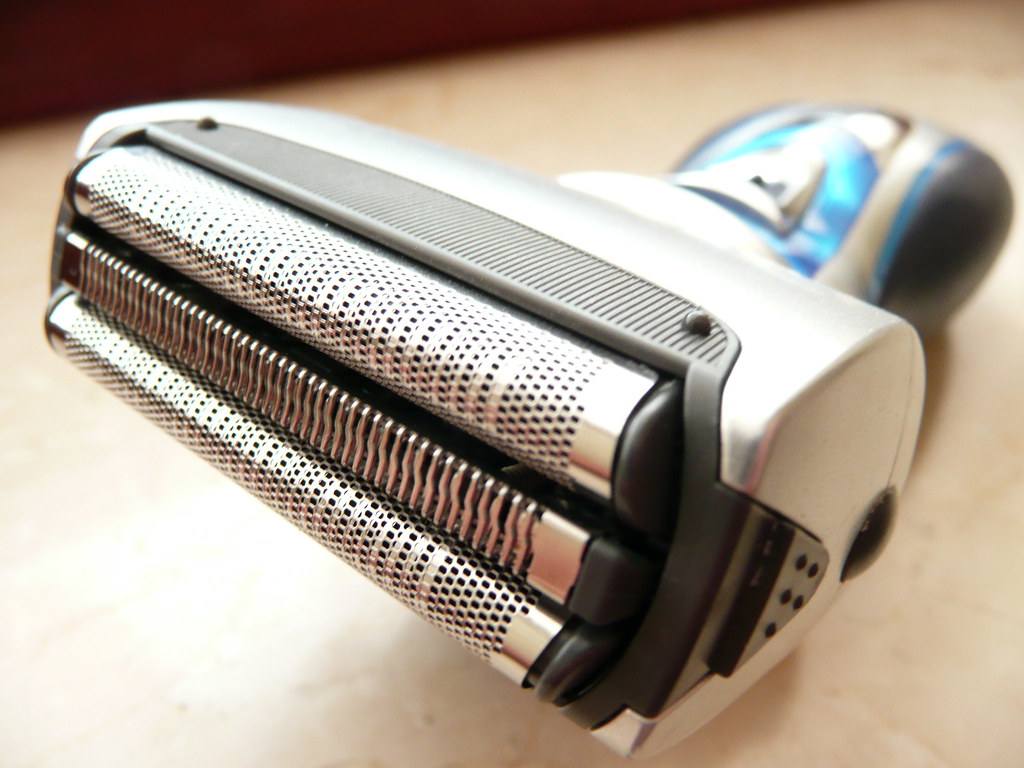
A bare razor demands steady pressure and a firm surface — exactly what loose, crepey scalp skin does not offer. An electric foil shaver with a floating, contouring head is far more forgiving, because it glides over folds and bony spots without you having to press down. That lower pressure is the single biggest safety upgrade for mature skin. When we test for the best electric head shaver, the model that consistently handles older, uneven scalps best is the Exoshave 7D: its magnetic floating head follows every contour, so you get a close, even result without dragging or digging in.
Prep so the shave is gentle, not harsh
Older skin rewards patience. Shave after a warm shower, when the scalp is soft, warm, and pliable. Once or twice a week, exfoliate gently with a soft washcloth or a mild scrub to lift dead skin and free any hairs starting to grow sideways — but skip harsh scrubbing, which thin skin does not tolerate well. If you shave dry with an electric, make sure the scalp is genuinely dry; if you use a gel, pick a fragrance-free, sensitive formula, since mature skin is more reactive to alcohol and perfume.
Technique for a looser, less firm scalp
This is where most of the difference lives. Use your free hand to stretch the skin taut just ahead of the shaver — pulling it flat removes the folds that cause catches. Work in short, overlapping passes and let the weight of the shaver do the cutting; resist the urge to bear down. Go slower than you think you need to, especially over the crown and the back of the head, where you are working by feel. Good lighting and a magnifying or three-way mirror help enormously as close-up vision changes, letting you spot missed patches and avoid raised moles you cannot easily feel.
Check your scalp as you go
A newly shaved head puts your scalp on display, so use the opportunity. Learn the difference between a flat, stable age spot and a mole that is changing — the ABCDE rule (asymmetry, border, color, diameter, evolving) is worth knowing. Rough, scaly patches that do not heal can be actinic keratoses and deserve a dermatologist's eye. Always shave carefully around any raised mole or skin tag rather than over it, and never shave across a sore, scab, or irritated area. An annual skin check is a smart habit for anyone who keeps a bald head, and doubly so after 50.
Aftercare that matches mature skin
Finish by rinsing with cool water and patting — not rubbing — dry. Older skin is drier, so follow with a light, unscented moisturizer to calm the surface and reduce flaking. The most important step is sun protection: a bald scalp with a history of sun damage is a real skin-cancer risk area, so apply a broad-spectrum SPF 30 or higher every day you go outside, or wear a hat. Skip high-alcohol aftershaves that sting and dry; a soothing balm with aloe or niacinamide is kinder. Shave every two to three days rather than daily if your skin feels tight, and your scalp will stay smooth, comfortable, and healthy for years.
Ready for the smoothest shave?
Our #1-ranked head shaver — the Exoshave 7D — contours to your scalp with a magnetic floating head for a close, even finish that's gentle on older skin, and it's 50% off today.
See the #1 pick →