A shaved head is one of the best styles you can wear when you have psoriasis on your scalp — there's no hair trapping flakes or hiding plaques, and the whole area is easy to treat. But learning to shave your head with scalp psoriasis takes a slightly different approach than a normal shave, because the wrong technique can trigger a fresh flare-up right where you just cleared one. Here's how to get a clean shave while keeping your scalp calm.
Why psoriasis and shaving can clash
Psoriasis plaques are patches of thick, scaly, often silvery skin that sit slightly raised above the surrounding scalp. The reason shaving needs care is a well-documented quirk of the condition called the Koebner phenomenon: psoriasis tends to appear at sites of skin injury. A nick, a scrape from a dull blade, or the repeated micro-trauma of pressing hard for a closer pass can all seed a new plaque a week or two later. So the goal isn't just a smooth finish — it's shaving in a way that traumatizes the skin as little as possible.
Choose the gentlest tool for a psoriasis-prone scalp
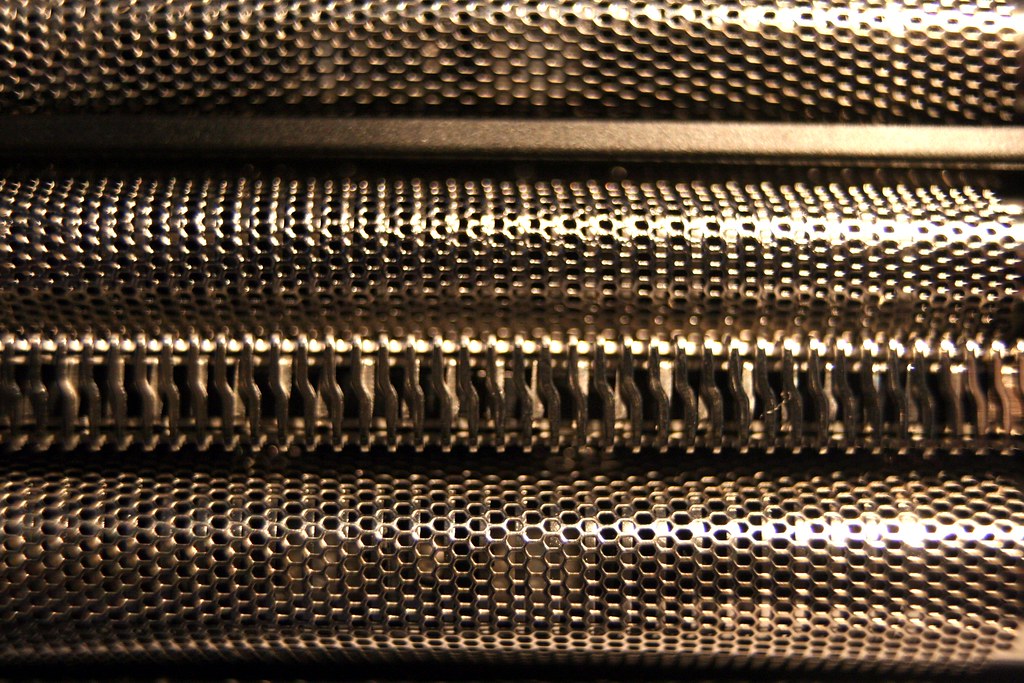
For most people with scalp psoriasis, an electric foil shaver is far kinder than a wet razor. A razor blade rides directly on the skin and catches on the raised edges of plaques, which is exactly how you get bleeding, cuts, and Koebner flares. A quality electric head shaver glides a thin foil over the skin, cutting the hair just above the surface without dragging a blade across sensitive patches. That single change — from a bare blade to a floating foil — is the biggest thing you can do to shave comfortably, which is why picking the best head shaver matters even more when your scalp is reactive.
Whatever you use, keep it sharp and clean. A dull foil or worn cutter tugs instead of slicing, and tugging is trauma. Rinse the head after every shave so you're not dragging bacteria and old skin across broken plaques.
Time your shave to your scalp's condition
Don't shave over an angry, actively flaring plaque if you can avoid it. If a patch is cracked, weeping, or bleeding, wait and treat it first — shaving over open skin both hurts and invites infection. The best time to shave is when your scalp is relatively calm and the plaques are flat and dry. Many people find their skin is most settled a day or two after a good treatment routine rather than in the middle of a bad week.
Soften the scale before the blade touches it
Thick scale is what catches and gets torn. Loosen it first. Shave after a warm (not scalding) shower, which hydrates and softens both hair and plaque. If your dermatologist has you on a scale-softening product — salicylic acid or coal-tar shampoos are common — use it beforehand so the surface is smoother and lower-profile by the time you shave. A warm, damp towel held on the scalp for a couple of minutes does a lot if you're short on time. Then apply a fragrance-free shaving gel or a slick, unscented moisturizer so the shaver head slides rather than catches.
Technique: light, slow, and with the grain
This is where flares are won or lost. Use light pressure and let the shaver do the work — do not press down to force a closer cut over a raised patch. Shave with the direction of hair growth first; going hard against the grain over a plaque is the fastest way to scrape it open. Move slowly and go around the thickest, most inflamed spots rather than repeatedly grinding over them. Stretching the skin flat with your free hand helps the foil pass over bumps instead of digging into their edges. A little stubble left over a bad plaque is far better than a cut.
Aftercare that keeps the scalp calm
Rinse with cool water to close things down and rinse away product. Pat — never rub — the scalp dry with a clean towel. Then moisturize generously with a thick, fragrance-free cream or ointment; a well-hydrated scalp flakes less and is less likely to Koebner. If you're going outside, add a broad-spectrum SPF, since a bald head burns easily and sunburn can itself trigger a flare (a little natural sunlight, on the other hand, often helps psoriasis — the key word is a little). Skip alcohol-based aftershaves entirely; the sting you feel is irritation you don't want.
When to see a dermatologist
Shaving technique manages the mechanics, but psoriasis itself is a medical condition worth treating properly. See a dermatologist if plaques are widespread, painful, cracking, or not responding to over-the-counter shampoos and creams — prescription topicals, medicated foams, or newer systemic treatments can get the scalp far calmer, which in turn makes shaving almost effortless. There's no need to choose between a clean-shaven head and comfortable skin; with the right tool and a gentle routine, you can have both.
Ready for the smoothest shave?
Our #1-ranked head shaver — the Exoshave 7D — glides over your scalp in one pass with a magnetic floating head, so a clean, close shave feels effortless and far gentler on sensitive, psoriasis-prone skin. It's 50% off today.
See the #1 pick →