Shaving your head does not make dandruff go away — sometimes it makes the flakes easier to see. If you're dealing with dandruff on a shaved head, the white specks on your collar and the tight, itchy feeling across your scalp usually come from the same handful of causes, and almost all of them respond to a simple routine. Here's what's actually happening up top and the step-by-step fix that clears it for most guys within two or three weeks.
Why you still get dandruff on a shaved head
Dandruff isn't caused by hair, so removing your hair doesn't remove the problem. Classic dandruff and its more stubborn cousin, seborrheic dermatitis, are driven by a common yeast called Malassezia that feeds on the natural oils your skin produces. It irritates the scalp, speeds up skin-cell turnover, and the result is visible flaking. A bald scalp still has oil glands, still gets warm and a little sweaty, and is now fully exposed to sun, wind, and cold — all of which can dry it out and make flaking worse. On top of that, a close daily shave lightly abrades the surface, so dead skin and product residue show up faster than they would under a full head of hair.
Wash with a real medicated shampoo
The single most effective step is switching to an anti-dandruff shampoo with a proven active ingredient. Look for one of these on the label: zinc pyrithione, ketoconazole 1%, selenium sulfide, or salicylic acid. Zinc pyrithione and ketoconazole target the yeast; selenium sulfide slows flaking; salicylic acid helps lift off scale that's already stuck. Rotating between two different actives (for example, a ketoconazole wash twice a week and a zinc pyrithione wash on other days) often works better than hammering the same one.
Technique matters as much as the product. Massage the shampoo into your scalp with your fingertips and — this is the part people skip — leave it on for a full three to five minutes before rinsing. The active ingredient needs contact time to work. Rinsing it off immediately is like wiping medicine off before it absorbs. Use it consistently for at least two weeks before you judge whether it's working.
Exfoliate gently, then moisturize
Once or twice a week, exfoliate your scalp to clear away built-up dead skin. Your shave already does some of this, but a soft scalp brush or a mild exfoliating scrub in the shower helps in a way that's hard to overdo — as long as you're gentle. Never pick or scratch at flakes; that inflames the skin and can turn a cosmetic issue into raw, weepy patches.
Exfoliating without re-moisturizing just trades flakes for tightness, so always follow up. After your scalp is clean and dry, apply a light, non-greasy moisturizer or a scalp-specific balm. Ingredients like hyaluronic acid, glycerin, niacinamide, or a little squalane hydrate without clogging. If your dandruff is clearly dryness-driven — worse in winter, tight rather than oily — lean harder on moisturizing and wash a touch less often. If it's oily and yellowish, prioritize the medicated shampoo and don't over-moisturize.
Don't let your shaver make it worse
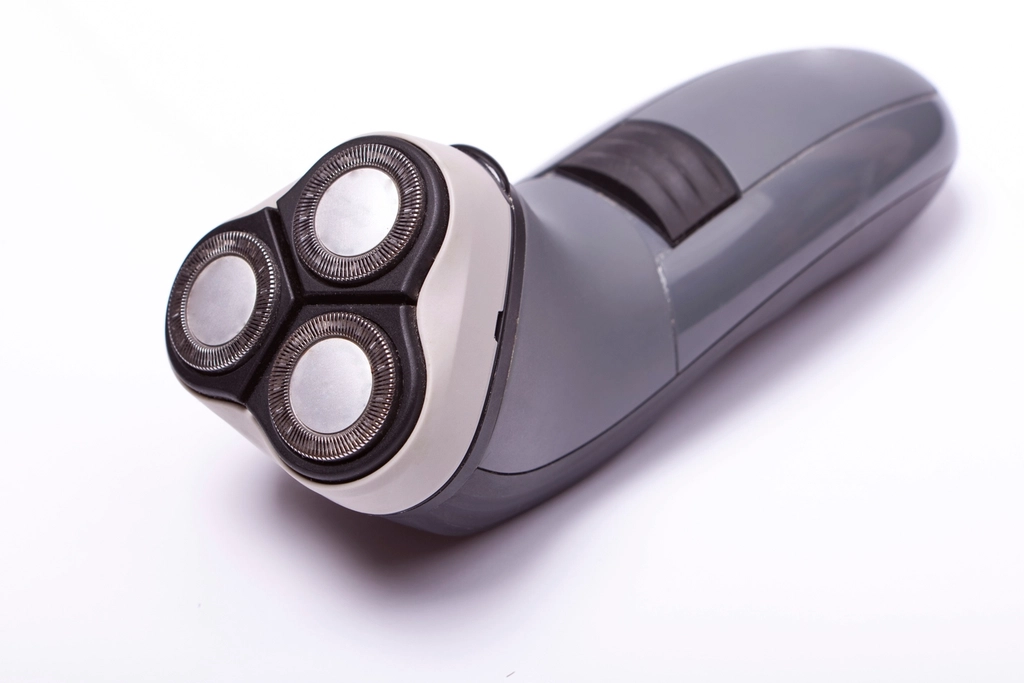
A dirty shaver head drags across your scalp instead of gliding, and that extra friction irritates already-flaky skin. Rinse your head clean after every use and give it a deeper clean weekly, and replace worn blades on schedule so you're not pressing hard to get a close pass. A gentle, close cut from a quality tool means less irritation and fewer flakes — which is one more reason it pays to use one of the best head shaver for men rather than an old, tugging shaver. Shaving on clean, slightly damp skin (not bone-dry) also reduces micro-scratches that feed irritation.
When to see a dermatologist
Most dandruff clears with the routine above. But if your scalp stays red, greasy, and scaly despite four to six weeks of medicated shampoo, or you see thick silvery plaques, painful cracking, or spreading patches, see a dermatologist. That can signal seborrheic dermatitis that needs a prescription antifungal or a short course of a medicated steroid, or occasionally scalp psoriasis, which is treated differently. Getting the right diagnosis saves you months of guessing.
Stick with it and be patient: dandruff is managed, not permanently cured, so once your scalp is clear, keep a medicated wash in your rotation once or twice a week to keep the flakes from creeping back.
Ready for the smoothest shave?
Our #1-ranked head shaver — the Exoshave 7D — has a magnetic click-off head that rinses clean in seconds, so irritation and flakes have less to feed on. It's 50% off today.
See the #1 pick →