A nick on the scalp can look alarming. The head bleeds more than almost anywhere else you shave, so a cut you would barely notice on your chin can send a thin red line running down your temple. The good news is that knowing how to stop scalp bleeding after shaving takes about five minutes and a few things you already own. Here is exactly what to do, in order, plus how to keep the nick from turning into a scab that ruins your next shave.
Why the scalp bleeds so much
Your scalp has a dense network of tiny blood vessels sitting just under thin skin that is stretched tight over bone. There is very little fat or cushion to compress those vessels on their own, so when a blade opens one, it keeps flowing until you apply pressure from outside. It usually looks far worse than it is. A typical shaving nick is superficial and will stop within a few minutes once you give it a chance. If you are on a blood thinner or aspirin, expect it to take a little longer and to need firmer, longer pressure.
Stop the bleeding, step by step
Work through these in order and resist the urge to keep checking:
1. Rinse with cold water. Splash the area with cold water, not warm. Cold makes the small vessels constrict, which slows the flow and lets you see exactly where the nick is instead of a smear of diluted blood.
2. Apply firm, steady pressure. Fold a clean tissue, paper towel, or washcloth and press it directly on the spot. Hold it there for a full three to five minutes without lifting to peek. Lifting early tears away the clot that is trying to form and restarts the whole process. Steady pressure is what actually stops the bleed.
3. Reach for a styptic pencil or alum block. This is the single most effective tool for shaving nicks. A styptic pencil (aluminum sulfate) or a rubbed-down alum block makes the vessels clamp shut on contact. Wet the tip, touch it to the nick, and expect a sharp sting for a second or two. That sting means it is working.
4. No styptic? Use antiperspirant. Solid antiperspirant contains aluminum chloride, which constricts vessels the same way. Dab a little directly on the nick with a cotton swab. Witch hazel on a cotton ball is another gentle option that helps small oozing spots close up.
5. Seal it once it stops. After the bleeding has fully stopped, a tiny dab of petroleum jelly or a healing balm over the nick keeps it from reopening when you dry off or pull a shirt over your head.
What not to do
Do not slap on a wad of toilet paper and leave it stuck there. When it dries onto the nick and you tear it off, you rip the clot open again. Do not use hydrogen peroxide or rubbing alcohol on the fresh cut either. They sting, they can actually break down the forming clot, and they slow healing. Plain cold water and pressure beat both. And do not rub the area with a towel to check it. Blot gently instead.
When it won't stop, or you should see a doctor
Most scalp nicks stop within ten minutes. Seek medical care if bleeding continues past about fifteen minutes of firm pressure, if the cut is deep or gaping, if the edges are spread apart and may need closing, or if blood is pulsing out rather than oozing. Also get it checked if you accidentally shaved into a mole or a raised bump that will not stop bleeding, since those need a proper look. People on blood thinners should keep pressure on longer and not panic at a slow trickle.
Prevent the next nick
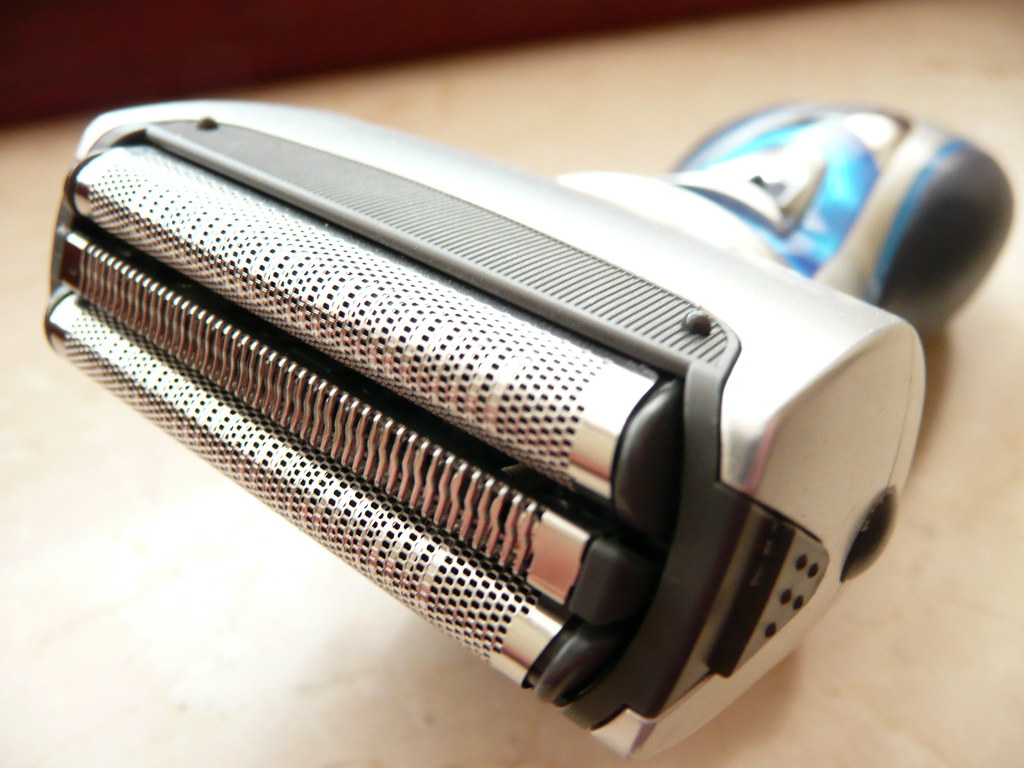
The best fix is not cutting yourself in the first place. Most scalp nicks come from a dull blade, too much pressure, or dragging a razor over the bony ridges around the ears and crown. Replace blades before they get dull, let the tool do the work instead of pressing, and go slow over uneven spots. Switching from a traditional razor to a quality electric head shaver with a floating head removes most nick risk entirely, because the foil sits between the blades and your skin. If you want a smoother, safer setup from the start, our guide to the best head shaver walks through the tools least likely to catch your scalp.
Keep a styptic pencil in your shave kit and a nick stops being a big deal. Cold water, steady pressure, a touch of styptic, and a dab of balm, and you are back to a clean, smooth head in minutes.
Ready for the smoothest shave?
Our #1-ranked head shaver — the Exoshave 7D — has a wide floating head that glides over the bony ridges where most nicks happen, and a magnetic click-off head that rinses clean in seconds. It's 50% off today.
See the #1 pick →