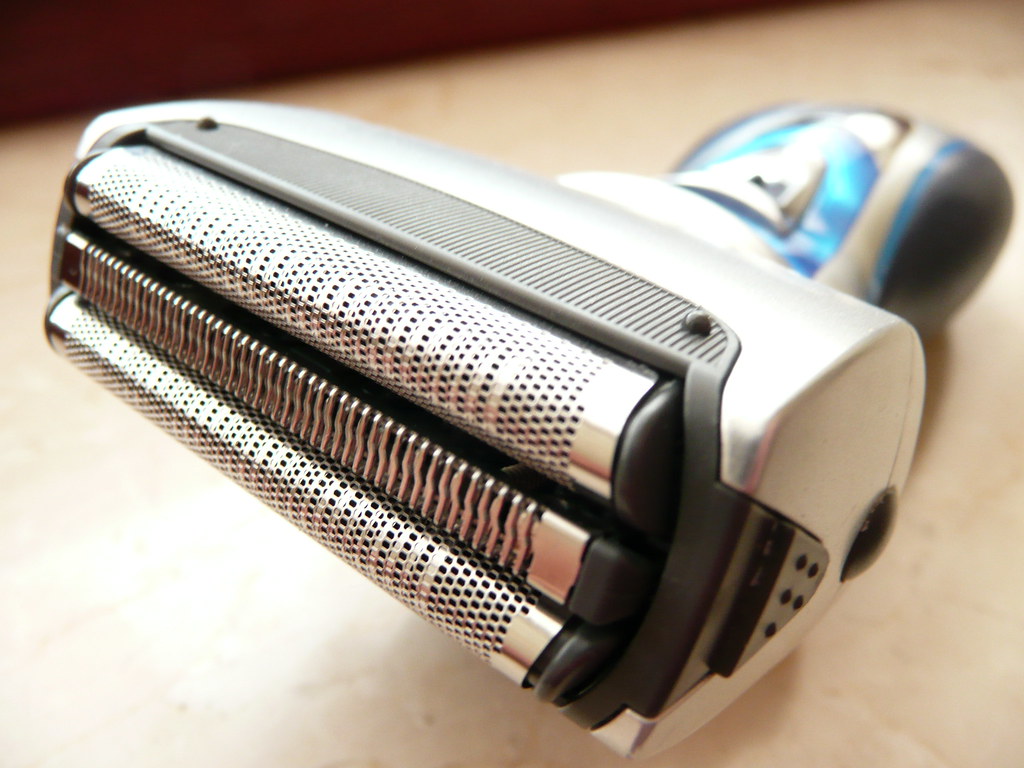
If you've shopped for a head shaver lately, you've seen the numbers climb: 3D, 4D, 5D, 6D, now 7D. The obvious question is whether do more blades shave closer is actually true, or whether it's just a bigger number on the box. The honest answer is that blade count helps up to a point, but the way those blades are arranged and how the head moves matters far more than the raw total. Here's what the "D" ratings really describe and when a higher number is worth paying for.
What 4D, 5D, 6D and 7D actually mean
Despite how it sounds, "D" almost never refers to the number of cutting blades. On most head shavers it's shorthand for the number of independently floating cutting heads — the little discs or foils that pivot to follow the shape of your skull. A 5-head shaver gets marketed as "5D," a design with an extra flex joint in the neck might get called "6D," and so on. The 7D label on a shaver like the Exoshave, for instance, refers to a floating magnetic head system, not seven separate razor blades stacked together. So when you compare two shavers, don't assume 7D has twice the blades of a 4D. Read the spec, not the sticker.
Do more blades shave closer, or just faster?
Here's the part the marketing skips. Adding cutting surfaces mostly buys you coverage, not closeness. More heads mean more skin contacted per pass, so you finish faster and you're less likely to miss a patch — genuinely useful on a curved scalp you can't fully see. But the closeness of any single stroke is set by how sharp the blade is, how tightly the foil or comb holds the hair before it's cut, and how well the head stays flat against your skin. A razor-sharp four-head shaver held at the right angle will out-shave a dull six-head one every time. Beyond roughly four or five heads, each additional one adds less and less, because your scalp only has so much surface to touch at once.
Where extra heads genuinely help on a scalp
A head is not a face. It's a dome with a flat crown, steep sides, and a hard-to-reach occipital bulge at the back. This is exactly where more independently floating heads earn their keep: they let the shaver ride over the curve instead of skipping across it, which is what causes the classic patchy back-of-the-head result. If you shave blind by feel, a multi-head design with real flex forgives a lot of imperfect angles. That's the strongest practical argument for a higher number — not a closer cut on any one spot, but a more even result across the whole surface with less effort. If you're still choosing your first tool, our roundup of the best head shaver breaks down which head designs handle a scalp best.
Where blade count stops mattering
Once a shaver has enough heads to conform to your skull, piling on more delivers diminishing returns and can even work against you. Larger head clusters are bulkier, which makes tight spots like around the ears and the nape harder to navigate. They're also heavier and, often, pricier to re-blade. If a "6D" shaver is $30 more than a well-reviewed 4- or 5-head model but uses the same grade of blade, you're frequently paying for the number rather than a better shave.
What matters more than the number
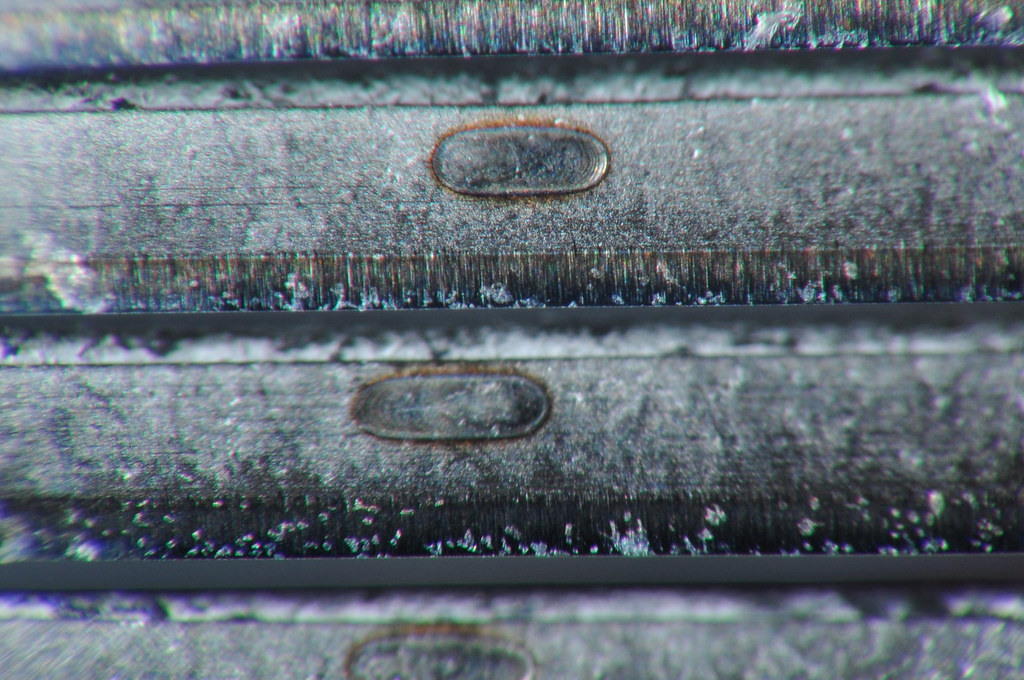
Prioritize these over the D-rating: blade sharpness and metallurgy, how truly the head floats (light spring pressure that follows the curve beats a stiff head), waterproofing so you can shave wet with gel for a closer, more comfortable cut, and easy cleaning so the blades stay sharp for years. A well-built floating head with four or five sharp cutting surfaces and a genuinely flexible neck will give most people a smoother, more even bald shave than a rigid tool boasting a bigger number. Buy the design, then treat the "D" as a tie-breaker.
Want more heads and a head that actually follows your skull?
Our #1-ranked head shaver — the Exoshave 7D — pairs a floating magnetic head with a double-edge blade system that hugs every curve of your scalp, so the crown comes out smooth and the back comes out even without you fighting the angle. It's 50% off today.
See the #1 pick →