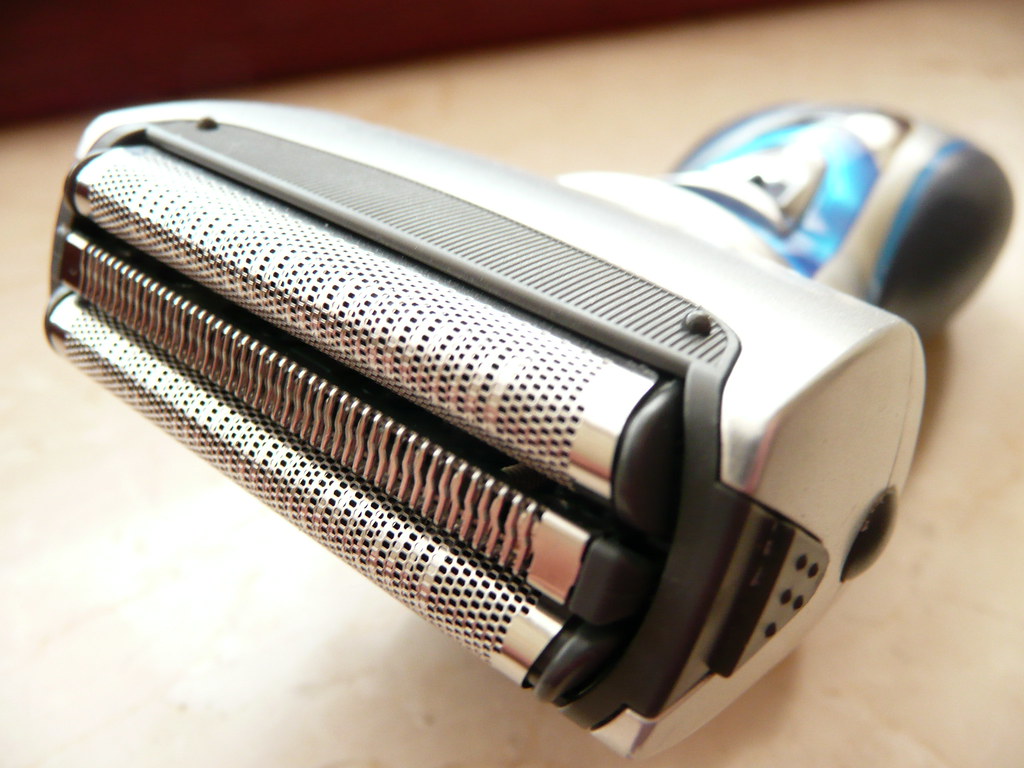
Your shaver is humming along, and halfway across your scalp you notice the head — or the handle — has gone warm. A head shaver getting hot is one of the most common complaints owners have, and the good news is that it's almost always a maintenance issue rather than a sign the motor is about to die. Heat is friction and resistance made physical: when the cutters can't move freely, the motor strains, and that wasted effort turns into warmth you can feel. Here's how to tell normal warmth from a real problem, what's causing it, and how to cool things down for good.
A little warmth is normal — this much isn't
Every electric shaver generates some heat. The motor spins thousands of times a minute and the blades drag lightly across your skin, so a head and handle that feel slightly warm after a five-minute shave are perfectly normal. What isn't normal is heat that builds fast, a head that becomes uncomfortable to press against your scalp, a burning or hot-plastic smell, or a motor that sounds like it's laboring. Those are the signs worth acting on. Quick test: run the shaver for 30 seconds with nothing touching it. If it heats up even with no hair to cut, the problem is inside the shaver, not your technique.
Why your head shaver is getting hot
Nearly every overheating case traces back to one of these, roughly in order of how often they're the culprit:
- Clogged cutters. Packed hair, skin cells, and dried shaving cream jam the blades so the motor has to push through the resistance. This is the number-one cause and the easiest to fix.
- Dry, unlubricated blades. Metal grinding on metal without a film of oil creates friction and heat — and dulls the edges faster, too.
- Dull or worn blades. Old cutters don't slice cleanly; they tug and stall, forcing the motor to work overtime for every pass.
- Running too long in one session. Shaving a whole head in one continuous ten-minute run gives the motor no chance to shed heat.
- Charging heat. Lithium batteries warm up while charging. A shaver that's hot on the charger but not in use is usually fine.
- A failing motor or bearing. Rare, but a worn bearing or a shorting winding produces heat alongside a change in sound or vibration.
Fix it: clean, oil, and rest the shaver
Start with the cutters, because that solves the majority of cases. Switch the shaver off, pop the head open, and brush out every trace of hair from the foils, blades, and the cavity underneath. For a washable model, rinse the head under warm running water until it runs clear, tap it out, and let it dry fully. A head that's even partly clogged will run hot again within minutes.
Next, lubricate. Once the head is clean and dry, put a single drop of light machine oil — or the oil that came with the shaver — across the foil or cutters, run it for five seconds to spread it, and wipe off the excess. Do this every week or two; it's the single most effective way to keep a shaver running cool and cutting close. Finally, give it a break. If you shave your whole head in one go, pause for 30 seconds halfway through, or split it into two shorter sessions. Letting the motor breathe keeps the heat from stacking up.
When heat means the blades — or the shaver — are done
If you've cleaned and oiled the head and it still overheats, the cutters are probably worn out. Foils and blades are consumables; most need replacing every 6 to 12 months, and a fresh set often turns a straining, hot-running shaver back into a cool, quiet one. Replace the foil and cutter together so they wear evenly. If new blades, a clean head, and oil don't fix it — especially if you hear grinding or feel heavy vibration — the motor or bearing is failing, and on a sealed waterproof shaver that's rarely worth repairing.
At that point you're better off upgrading, and a quality shaver runs cooler by design: a stronger motor isn't straining at its limit, and a floating multi-blade head cuts with less drag in the first place. Our pick for the best head shaver uses a magnetic floating head and a high-torque motor that glides through a full scalp without the heat buildup that plagues older, weaker shavers.
Keep it running cool
Overheating is almost entirely preventable. Brush or rinse the head after every shave so hair never packs in, oil the blades every week or two, replace the foil and cutter on schedule, and don't marathon a single ten-minute run when two shorter passes do the same job cooler. Store it somewhere dry rather than a steamy shower caddy, and charge it at room temperature. Treat the cutting head as the wear part it is, and a shaver that stays cool for years is the easy result.
Ready for the smoothest shave?
Our #1-ranked head shaver — the Exoshave 7D — pairs a high-torque motor and a magnetic floating head that contours to your scalp for a close, even, cool-running finish, and it's 50% off today.
See the #1 pick →