It's the question almost every new head-shaver asks after the first attempt: how many passes to shave your head does it actually take? Go over each spot once and you're left with stubble and shadow. Go over it five or six times chasing a glass-smooth finish and your scalp turns red, raw, and bumpy by the next morning. The honest answer is that most people need two passes, sometimes a light third on a few stubborn areas — and that pushing past that does far more harm than good.
Here's how to think about passes the right way, so you get a close, even shave without paying for it with irritation.
What counts as a "pass"
A pass is one complete coverage of your whole head in a single direction. The confusion starts because people count strokes instead of passes. You'll run the shaver over the same square inch of scalp several times within one pass — that's normal and expected. A pass isn't finished until every region (top, sides, back, crown, and the awkward spot above each ear) has been covered once. So "two passes" doesn't mean two strokes; it means two full laps of your head, usually in different directions.
The two-pass method that works for almost everyone
For the vast majority of heads, two passes is the sweet spot between close and comfortable:
Pass one — with the grain. Shave in the direction your hair grows. On most men that's roughly front-to-back on the top and downward on the sides and back, but check your own growth pattern by rubbing a hand across a day's stubble — the smooth direction is with the grain. This first pass removes the bulk of the hair with the least resistance, which means less tugging and less heat on the skin.
If you've already covered the basics of best head shaver for men selection and technique, you'll know a good shaver does most of the work here on pass one.
Pass two — across or against the grain. Reapply a little lather or just go back over a still-damp scalp, then make a second pass at an angle to the first — across the grain is gentler, against the grain is closest. This is where the shave goes from "short stubble" to genuinely smooth. Most of the closeness you feel comes from this second pass catching the hairs the first one laid flat.
For a lot of people, that's it. Two passes, done in two or three minutes, and the head feels smooth for the rest of the day.
When a third pass is fair game
A targeted third pass is reasonable in two situations. The first is spot-correction: after passes one and two, run a hand over your head and feel for missed patches — the crown swirl, the back of the neck, and the dip behind the ears are the usual suspects. Re-shave only those specific spots, not the whole head. The second is if you have very coarse or dense hair that a two-pass routine simply doesn't clear. Even then, keep the third pass light and limited.
What you should not do is make a blanket third, fourth, and fifth pass over your entire scalp hunting for perfection. Each full pass drags the blade or foil across skin that's already been shaved bare. There's no hair left to cut — you're just abrading the skin.
Why more passes backfire
Every pass removes a microscopically thin layer of dead skin along with the hair. Two passes is a healthy exfoliation. Five is sandpaper. Over-shaving is the single most common cause of the problems new head-shavers blame on their razor: stinging, redness, tightness, and the little inflamed bumps of razor burn and folliculitis that show up hours later. Against-the-grain passes repeated over and over also encourage ingrown hairs, because you're cutting hairs below the skin line where they can curl back in.
The scalp also has no hair to protect it and plenty of nerve endings, so it shows irritation faster than your face does. If your head feels hot or looks pink while you're still shaving, that's the signal to stop — not to do one more lap.
Technique beats pass count
If you feel like you need a lot of passes to get smooth, the fix usually isn't more passes — it's better setup. Prep properly: shave after a warm shower or with a damp, lathered scalp so the hair is soft and standing up. Keep the pressure light; let the shaver's weight do the cutting rather than pressing it into your skin. And make sure your blades or foil are sharp — a dull head won't cut close no matter how many times you go over a spot, and chasing closeness with a worn blade is exactly how people end up over-shaving.
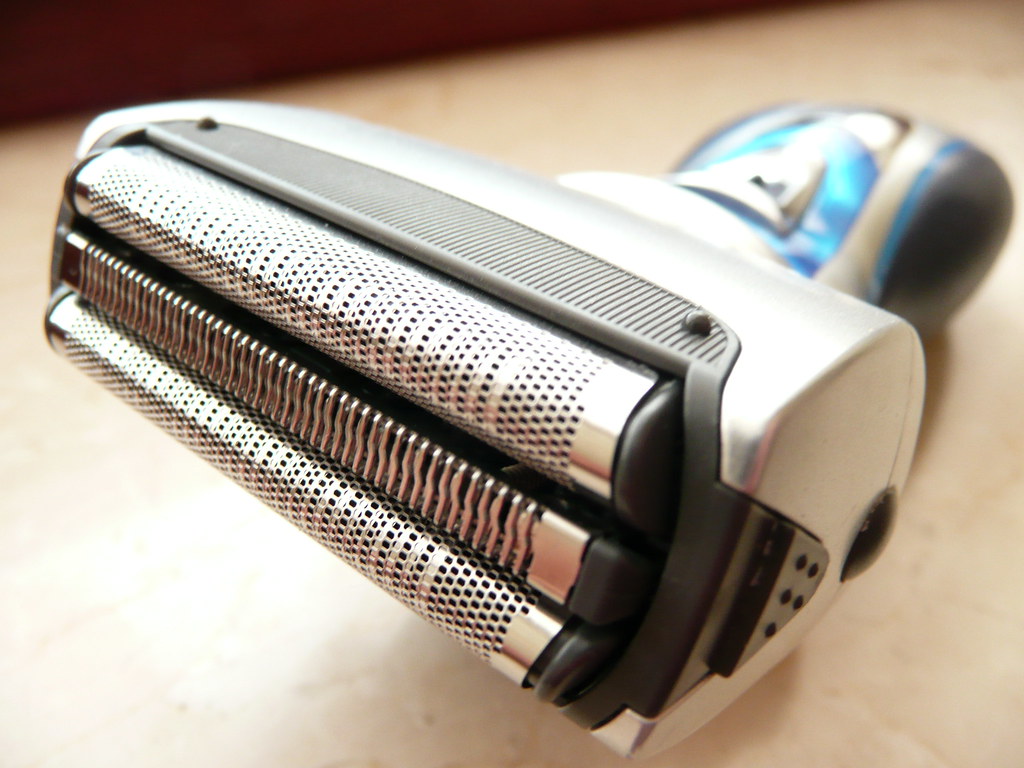
A quality floating-head shaver that follows the curves of your skull will clear more hair per pass, which is the real way to cut your pass count down. The better the contact on pass one, the less you have to chase on pass two.
A simple rule to shave by
Two passes in different directions, a light third only on the spots that need it, and then stop — even if you can still feel the faintest shadow. That faint shadow fades, but the irritation from a fifth pass sticks around until tomorrow. Smooth and comfortable beats glass-smooth and raw every single time.
Ready for the smoothest shave?
Our #1-ranked head shaver — the Exoshave 7D — has a magnetic click-off head that rinses clean in seconds and a close double-edge 7D floating blade that hugs every curve of your skull, so you get smooth in fewer passes and far less irritation — and it's 50% off today.
See the #1 pick →