A head shaver is one of those purchases where the marketing does everything it can to confuse you. Ten different "D" numbers, a wall of specs, and a price range that runs from fifteen dollars to two hundred. Learning how to choose a head shaver is really about ignoring most of that noise and focusing on the four or five things that actually decide whether your scalp ends up smooth and comfortable or nicked and irritated. Here is how to sort the signal from the sales copy.
Start with the blade type, not the brand
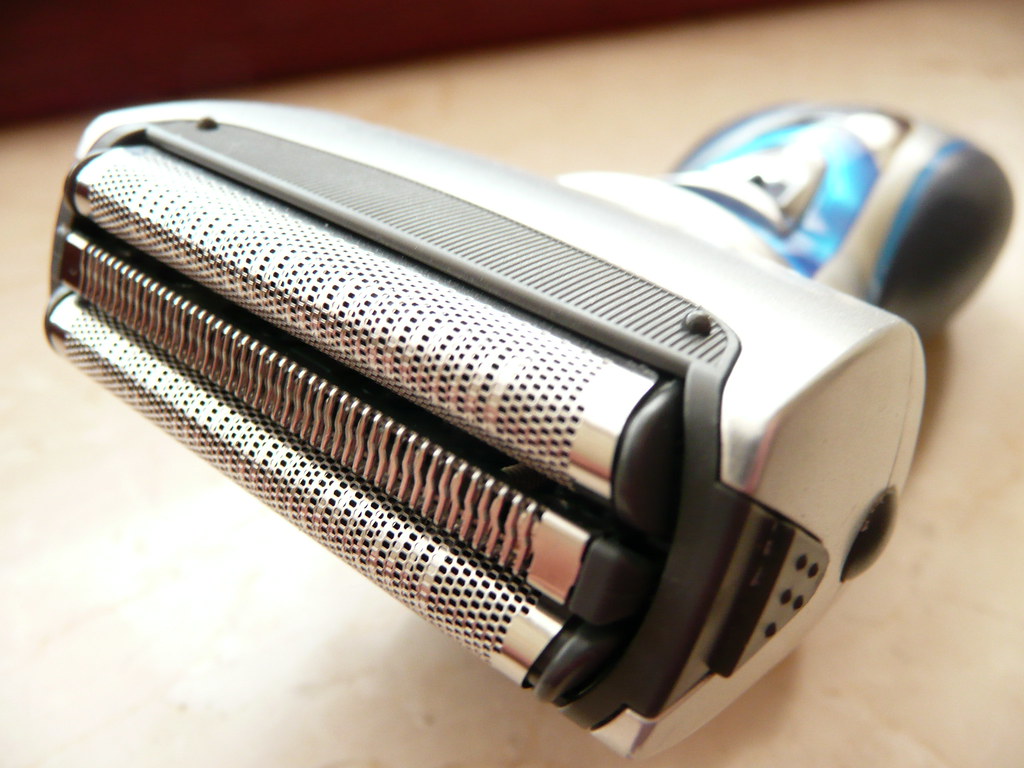
Every head shaver falls into one of three families, and this choice matters more than any brand name. Foil shavers use one or more oscillating cutters behind a thin perforated screen; they shave very close and are forgiving on flat and gently curved areas. Rotary shavers use spinning circular heads that pivot independently, which helps them follow lumps and bumps but generally leaves a slightly less close cut. Multi-blade "floating head" shavers, built specifically for scalps, combine several small heads on a flexible mount so they hug the curve of your skull in every direction. For shaving a whole head — not just a face — a floating multi-head design usually wins, because your scalp curves far more than your cheeks do.
Wet, dry, or both?
Dry-only shavers are cheaper and fine if you shave a quick maintenance pass every day. But if you want the closest, most comfortable result, look for a fully waterproof shaver you can use wet with gel or foam in the shower. Wet shaving softens the hair, lets the head glide, and dramatically cuts irritation. A waterproof body also means you can rinse the whole unit under the tap, which keeps it hygienic. If a shaver isn't rated for full water immersion, treat it as dry-only no matter what the box implies.
How to choose a head shaver that fits your hand and your scalp
Ergonomics are the most underrated spec. You are going to hold this thing at awkward angles — over the crown, around the back, upside down near your neckline — often with a wet, slippery hand. A shaver that is too heavy, too fat, or too smooth to grip will make you press harder and miss more spots. Look for a compact body with a textured or rubberized grip, a shape you can control one-handed, and a head that pivots freely. If you can hold it in a store or check the weight and dimensions before buying, do it. This single factor is why two shavers with identical blades can feel completely different in practice.
Battery, charging, and travel
Most modern head shavers are cordless and run on a rechargeable battery. What matters is not the headline "90 minutes of runtime" number but three practical things: whether it charges over standard USB-C (far easier when you travel), whether it has a quick-charge mode that gives you one full shave from a few minutes on the cord, and whether it can be used while plugged in for those mornings you forgot to charge it. Runtime itself is rarely a problem — a full head shave takes only a few minutes — so don't overpay for a battery figure you'll never exhaust.
The cost most buyers forget: replacement blades
The sticker price is only half the story. Blades and foils dull over time and need replacing every six to twelve months to keep shaving close and comfortable. Before you buy, check what a replacement head costs and how easy it is to get. Some "bargain" shavers use proprietary cartridges that cost nearly as much as a new shaver, while others use cheap, widely stocked heads. A slightly pricier shaver with affordable, easy-to-find replacements is almost always cheaper to own over a couple of years.
Match the shaver to your hair and skin
Finally, weight the features toward your own situation. If you have sensitive skin or get razor bumps, prioritize a flexible multi-head design and wet-shave capability, and avoid pressing hard. If your hair is thick and coarse, look for stronger motors and heads that resist clogging, and clean the shaver more often. If you have limited grip or arm mobility, a lightweight, well-balanced body matters more than raw blade count. There is no single "best" for everyone — the right shaver is the one that suits your scalp shape, hair type, and routine.

The bottom line
Choose the blade system first (a floating multi-head for whole-scalp shaving), insist on full waterproofing, judge it by how it feels in your hand, and factor in the long-term cost of replacement heads. Get those four right and the rest is detail. If you'd rather skip the research and start with a shaver that already checks every one of these boxes, our roundup of the best head shaver for men lays out the top picks and explains exactly why each one earned its spot.
Ready for the smoothest shave?
Our #1-ranked head shaver — the Exoshave 7D — is 50% off today. See why it beat every rival in our 6-week test.
See the #1 pick →