Going bald at home is cheaper, faster, and more private than a barber trip — but only if you have the right gear on the counter before you start. Figuring out what you need to shave your head at home is mostly about a handful of essentials, not a bathroom full of gadgets. Below is the complete checklist, in the order you'll actually use each item, plus a short list of things marketers want you to buy that you can safely skip.
The one tool that does most of the work
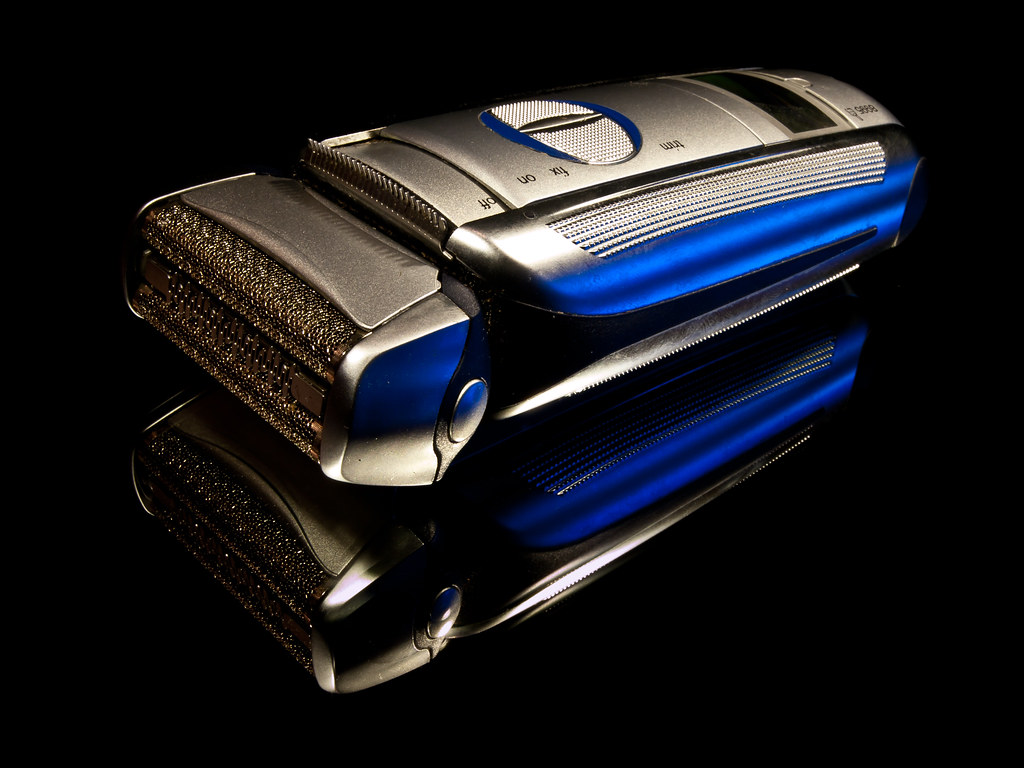
Your shaver is 80% of the result, so it's worth getting right. You have three realistic options: a cartridge razor, a foil electric head shaver, or a multi-head floating shaver built specifically for scalps. A wet razor gives the closest cut but has the steepest learning curve and the highest nick risk on the curved back of the skull. An electric head shaver — especially one with a floating, multi-directional head that follows the contours of your scalp — is far more forgiving and much faster, which is why it's the tool most daily head-shavers settle on. If you're buying one, look for a waterproof body (so you can shave in the shower and rinse it clean), a comfortable grip, and easily replaceable blades. Our roundup of the best electric head shaver breaks down the models worth your money.
What you need to shave your head at home: the full checklist
Here is everything that earns a spot on the counter for a smooth, irritation-free shave:
- A head shaver or razor — an electric floating-head shaver for speed and safety, or a good cartridge/safety razor if you prefer a wet shave.
- Clippers — only if your hair is longer than about a quarter inch. Buzz it down first; no shaver handles long hair well.
- A pre-shave rinse or warm shower — heat and water soften the hair so it cuts cleanly instead of tugging.
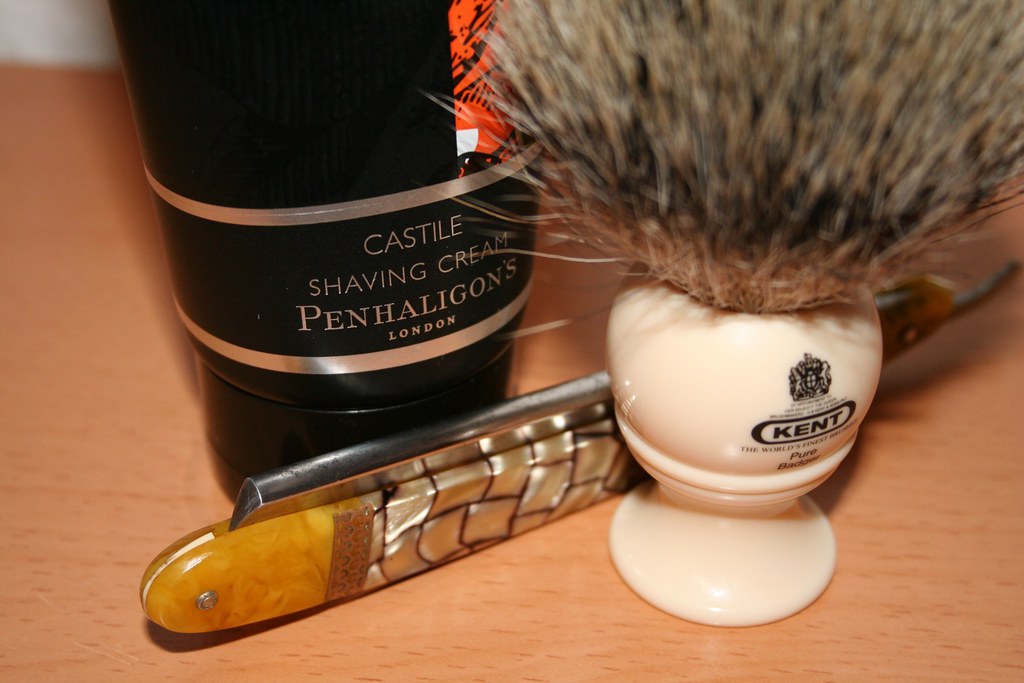
- Shave cream or gel — for a wet shave. A clear gel lets you see missed patches; a slick cream reduces drag.
- A lather brush — optional, but it lifts the hair and works cream in around a curved scalp better than fingers.
- Two mirrors — a wall mirror plus a handheld one so you can see the back of your head.
- A clean towel — and a second small one to blot as you go.
- Aftershave balm and SPF — to calm the skin and protect a freshly exposed scalp.
Prep and lather supplies
Skipping prep is the number-one cause of razor bumps and irritation. Two minutes under warm water, or a quick full shower, swells the hair and opens things up so the blade glides. If you wet-shave, apply a thin, even layer of cream or gel — not a thick meringue, which just clogs the blade. If you shave dry with an electric, you can skip the cream entirely, though some men like a dedicated pre-shave powder or lotion to help the shaver move. Whatever you use, less is more; you want lubrication, not a mask.
Seeing the whole head
The back of your skull is the hardest part to shave because you can't see it, and shaving blind is how you miss patches and catch the skin. A fixed wall mirror plus a handheld mirror angled behind you solves this for free. If you shave often, a wall-mounted magnifying or three-panel mirror is a worthwhile upgrade. Until then, learn to shave the back by feel: run a dry palm over the scalp after each pass and re-shave anywhere that feels rough or stubbly rather than relying on your eyes alone.
Aftercare that prevents problems
A shaved scalp is exposed skin, and it behaves like your face after shaving — it can get tight, red, or flaky without care. Rinse with cool water to close things up, pat (don't rub) dry, and apply a fragrance-free balm or light moisturizer. Because the top of your head takes direct sun, add SPF 30 or higher any time you'll be outside; sunburn on a bald scalp is both painful and avoidable. Once a week, a gentle exfoliating scrub keeps ingrown hairs and dead-skin buildup at bay.
What you can skip
You don't need a heated lather machine, a shelf of specialty oils, or a different product for every step. The essentials — a good shaver, warm water, a bit of lubrication, two mirrors, a towel, balm, and SPF — cover everything. Start simple, get comfortable with your technique, and only add gear when you find a specific problem it actually solves.
Ready for the smoothest shave?
Our #1-ranked head shaver — the Exoshave 7D — is 50% off today. See why it beat every rival in our 6-week test.
See the #1 pick →