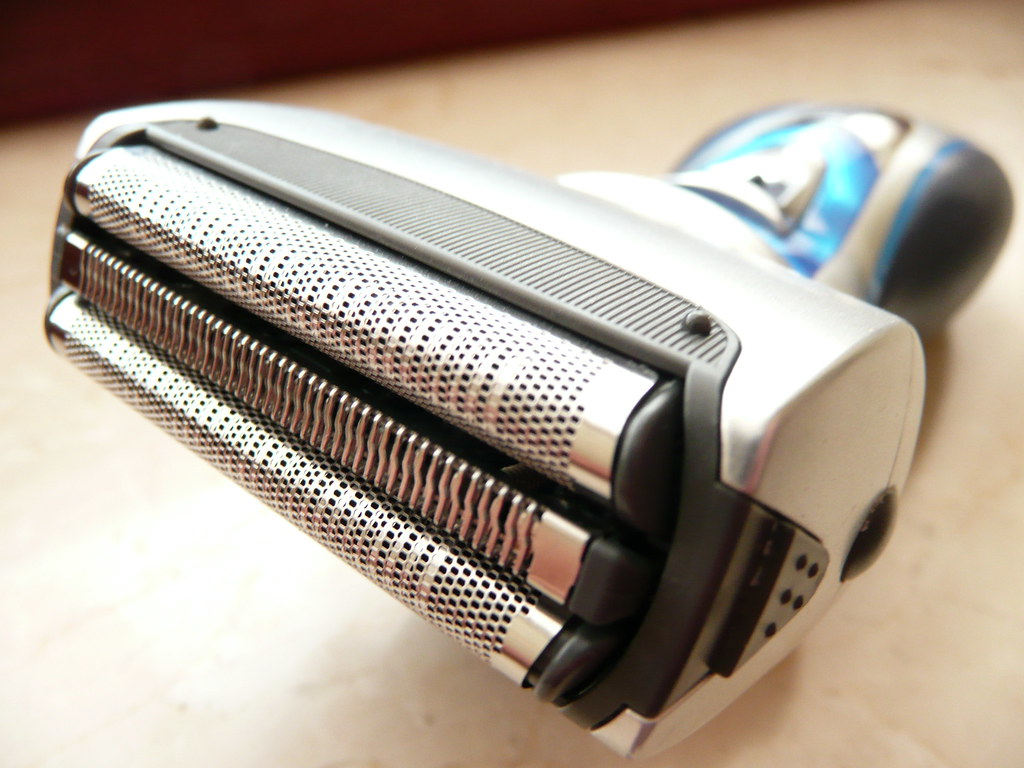
Most people shave their scalp with the same worn-out cutter for years and blame their skin, their technique, or the shaver itself for the tugging and irritation. In reality, the culprit is usually the blade. Knowing when to replace head shaver blades is one of the cheapest, highest-impact upgrades you can make to your routine — a fresh cutting head can turn a scratchy, three-pass ordeal back into a single smooth glide. Here's how long blades actually last, the signs they've gone dull, and how to squeeze more life out of them.
Why a dull blade quietly ruins your shave
A head shaver doesn't slice hair the way a straight razor does — its foils or rotary combs guide hair into fast-oscillating inner blades that shear it off. Those inner blades are precision-ground to microns. Every shave dulls that edge a little and rounds it over, so instead of cleanly cutting each hair, a worn blade grabs and yanks it before it snaps. That tugging is what causes redness, razor bumps, and the patchy, uneven finish so many bald shavers struggle with. A dull foil also forces you to press harder and go over the same spot repeatedly, which multiplies friction on your scalp — the exact recipe for irritation.
How long do head shaver blades actually last?
As a rule of thumb, the cutting parts of an electric head shaver are designed to last 12 to 18 months with regular use, and most manufacturers recommend replacing them once a year. That figure assumes you shave your whole head every day or two and clean the shaver properly. Your real number depends on a few things: coarse or dense hair wears blades faster than fine hair; shaving a full scalp is far more work than a few square inches of face, so head shavers age quicker than face-only ones; and shaving dry or without cleaning the head lets stubble and skin oils grind against the edges like sandpaper. If you shave a big head of thick hair daily, plan for the shorter end — around 8 to 12 months. If you shave twice a week, you may comfortably reach 18 months or more.
5 signs it's time to replace head shaver blades
Rather than watching the calendar, watch the shave. These are the reliable warning signs:
1. It pulls or tugs. The clearest signal. If you feel individual hairs being plucked rather than cut, the inner blade edge has rounded off.
2. You need more passes for the same result. A new head clears stubble in one or two passes. When you find yourself going over the same patch four or five times, the blade is no longer cutting efficiently.
3. More irritation than usual. Fresh redness, burning, or new bumps — with no change to your products or routine — often trace straight back to a worn cutter dragging on the skin.
4. Visible damage to the foil or combs. Hold the head up to the light. A foil that looks stretched, shiny-thin, dented, or has any tiny hole must be replaced immediately — a torn foil exposes the blade and can nick your scalp.
5. It runs louder or hotter. Blunt blades and a clogged head make the motor work harder, so a shaver that suddenly sounds strained or warms up quickly is overdue for new cutting parts (and a deep clean).
Foil, rotary, and magnetic heads all replace differently
How you replace the cutting parts depends on the shaver type. On a foil head shaver, the thin outer foil and the inner blade block are separate parts — replace both together, because a new blade behind a stretched old foil won't perform. On a rotary shaver, the circular combs and cutters are usually sold as a matched set of three; swap them as a set so they wear evenly. The most convenient designs use a single magnetic click-off head that pops off and snaps on in one piece, so replacing the whole cutting surface takes seconds and there are no fiddly parts to align. Whichever you own, buy genuine replacement heads — cheap knock-off foils are the most common reason a "new" head still tugs. When you're comparing the overall value of different systems, our roundup of the best head shaver breaks down replacement-head cost alongside shave quality.
How to make your blades last longer
You can meaningfully extend blade life with three habits. First, clean after every shave — rinse a waterproof head under warm water or brush out the clippings, because trapped stubble grinds against the edges. Second, lubricate regularly; a drop of the oil that came with the shaver (or a spray designed for clippers) on the foil once a week keeps the blades gliding and cool. Third, let the hair do the work — don't mash the shaver into your scalp. Light, overlapping passes cut just as close with a fraction of the wear, and they're gentler on your skin too. Store the shaver dry and capped so the foil isn't knocked against a drawer.
The bottom line
Replace your head shaver blades roughly once a year, sooner if you shave a big head of coarse hair daily — but let the shave itself be the final judge. The moment you feel tugging, need extra passes, or see a damaged foil, a fresh cutting head is the fix. It costs a fraction of a new shaver and instantly restores that single-pass, glassy-smooth finish that made you buy the thing in the first place.
Ready for the smoothest shave?
Our #1-ranked head shaver — the Exoshave 7D — uses a magnetic click-off head that swaps in seconds and rinses clean under the tap, so keeping fresh blades is effortless. It's 50% off today.
See the #1 pick →